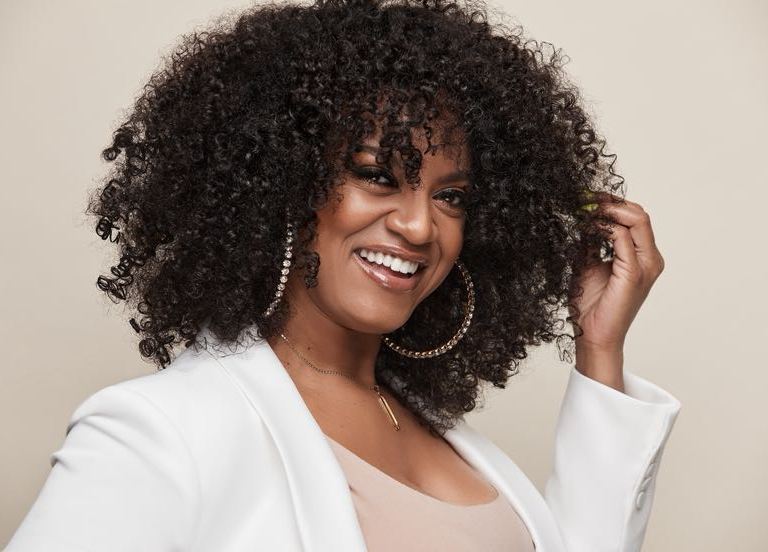

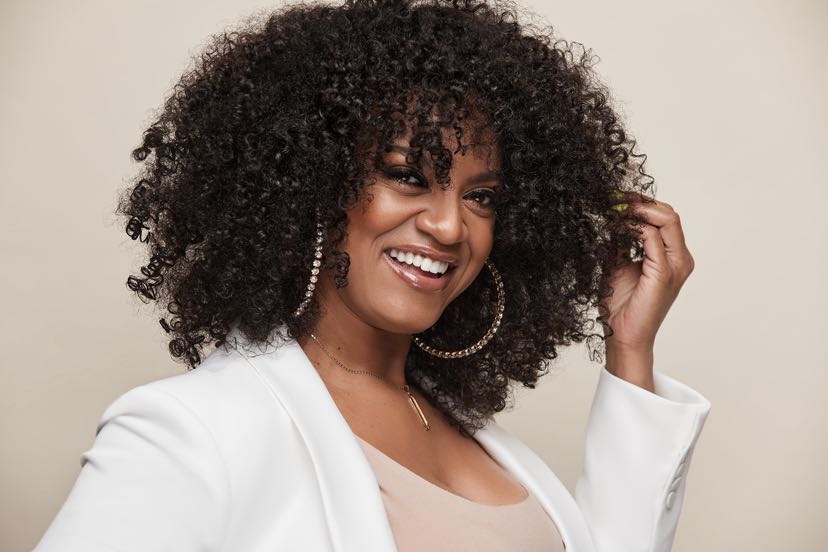
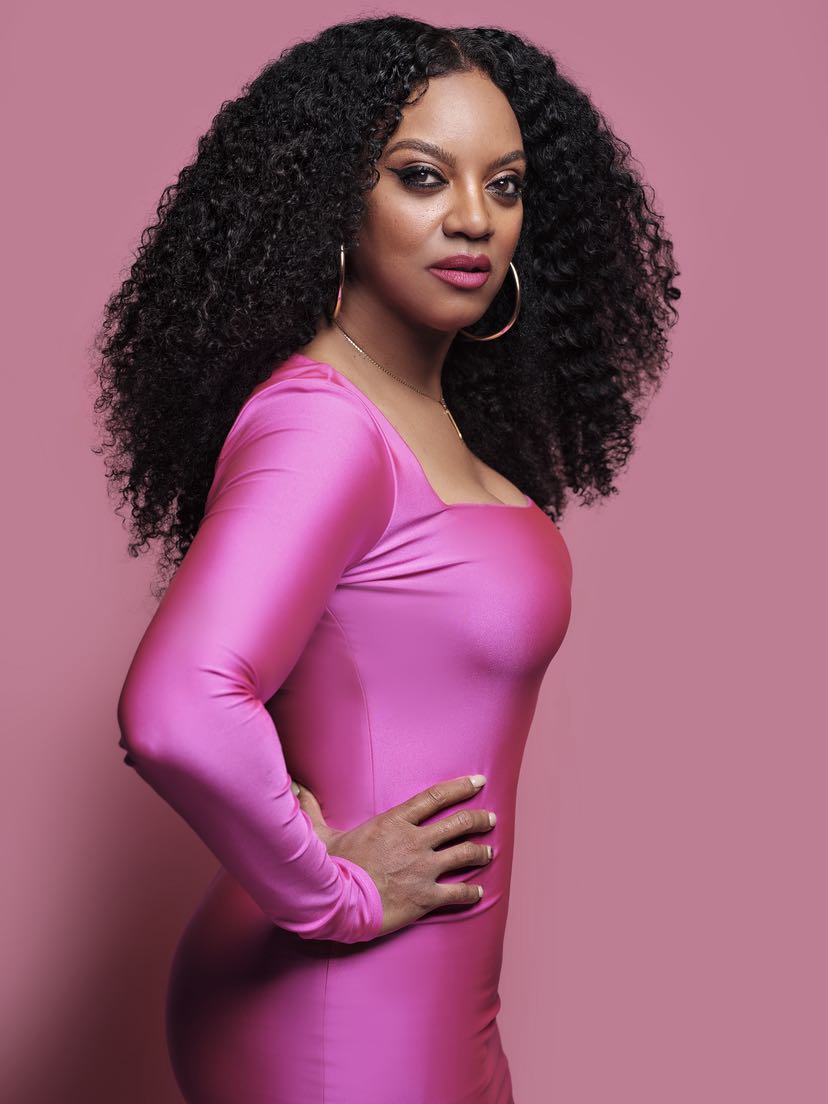
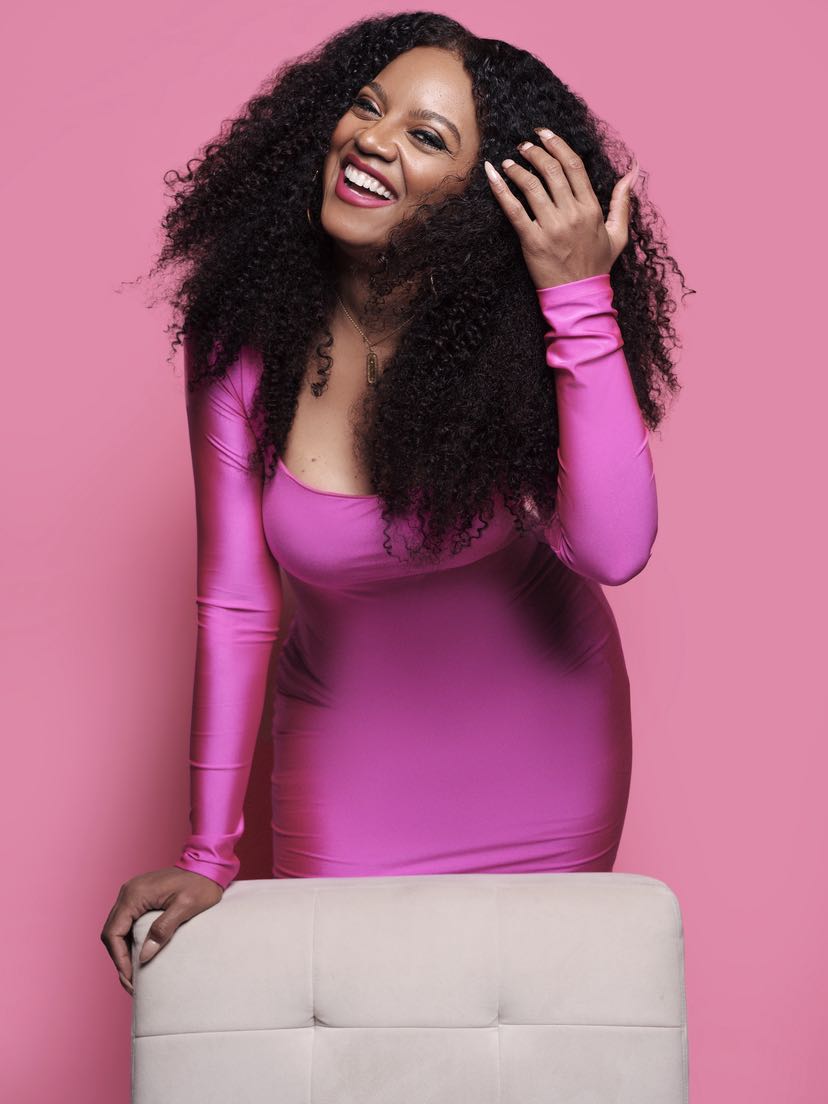
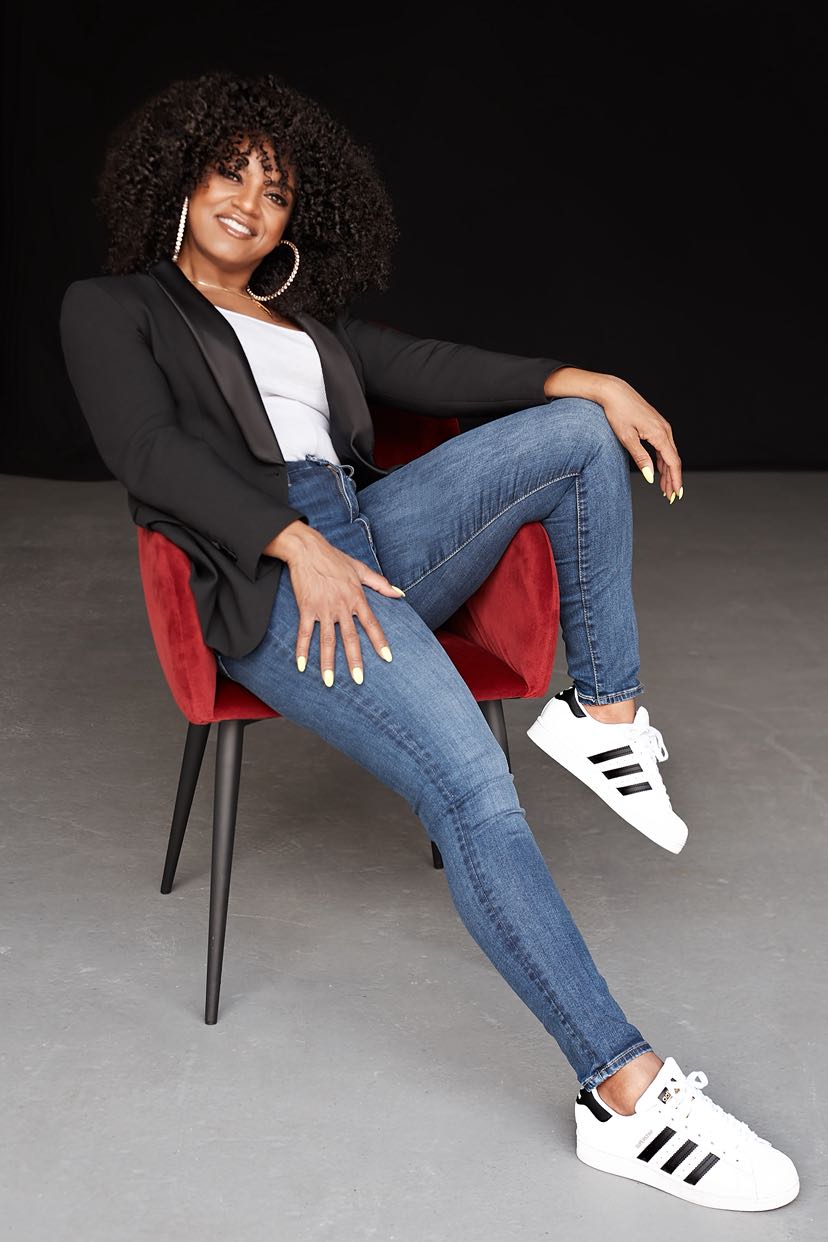
Before textured hair became a buzzword—and long before brands learned how to speak its language—Catanda J was already doing the work. Rooted in salon artistry, sharpened through rigorous education, and refined inside global beauty labs, her journey bridges beauty and biology in a way few ever achieve. With decades of hands-on experience behind the chair and eight transformative years inside one of the world’s leading technical centers, Catanda J has become a trusted authority who challenges misconceptions, champions inclusivity, and proves that great hair performance is driven by science, not stereotypes. Today, as the founder of CJ The Beauty Group, she stands at the intersection of education, innovation, and integrity—changing the way the industry formulates, tests, and delivers beauty for all hair types.
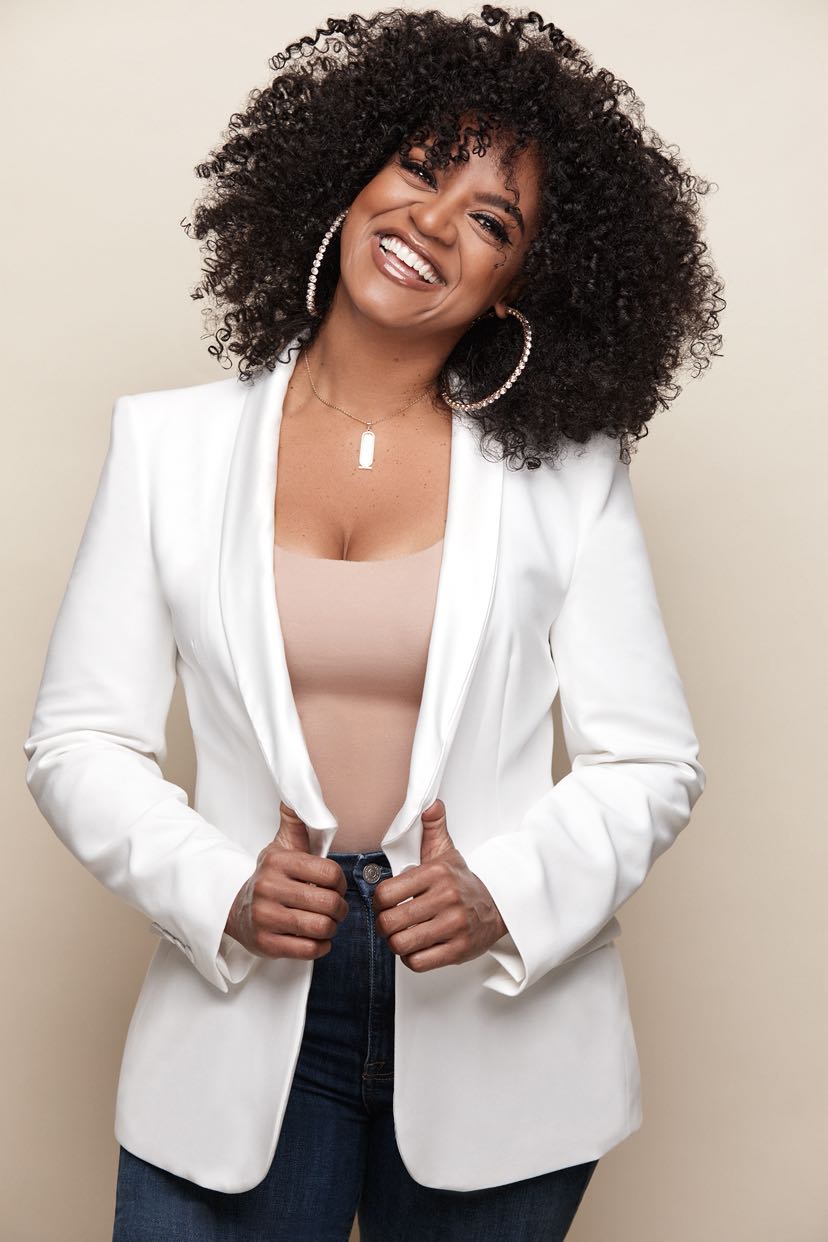
Mo Clark: You began your career behind the chair as a stylist and texture specialist, long before textured hair education became mainstream. How did those early years in the salon shape your perspective on hair health, performance, and the gaps you later sought to address at the brand level?
Catanda J: My early years in the salon shaped my perspective on hair health and fueled my passion for continuous education in the science ofall hair. My methodology has always been rooted in universal beauty. However, after attending two predominantly white beauty schools in Kalamazoo, MI—with little to no focus on what we affectionately referred to then as “Black hair” (highly textured hair), I began to seek the knowledge for myself.
It wasn’t until I attended my third beauty school, Dudley Cosmetology University, that I was able to gain deeper knowledge of the structural differences in hair types ranging from straight to coily. Because of the in-depth knowledge and theory I gained while clocking my remaining hours at DCU, when I returned to Kalamazoo, MI as a Licensed Cosmetologist working behind the chair, I focused on diversifying my clientele. My perspective had broadened, and I realized that despite the segregated way the first two beauty schools I attended approached the study of hair—and the way mainstream brands strategically excluded Black hair from their product offerings—all hair is a fiber made of the same components, regardless of shape.
I began incorporating products that were marketed for straighter hair types into my regimens for all of my clients, which I now realize was the inauguration of my universal beauty approach. Having an inclusive clientele sparked my passion for deeper knowledge of formulas and product performance. As a result, the technical aspect of beauty became the most intriguing part of my work. Behind the chair was where I conducted my very first case studies, without even knowing it. Decades later, I was able to bring what I’d learned about product performance and the science of hair in my early years as a stylist to the brand level. Now, as the primary consultant for CJ The Beauty Group, my consulting firm, I continue to fill the gaps.
During my time as a Senior Technician for global beauty brands, filling the gaps meant advocating for highly textured hair in major board meetings to address those misconceptions. I would often start by defying the odds and simply testing products on my own hair, even when marketing had not considered the textured hair consumer. My ability to focus on the technical side rather than emotion helped me break the mold at the brand level. I could clearly demonstrate to marketing teams and brand leaders what Cosmetology school taught me about hair science, along with what I learned behind the chair: performance comes down to the formula—its ingredients and chemistry—not texture alone, since all hair fiber shares the same fundamental molecular components.
MC: Your transition from hands-on cosmetology to product testing, R&D, and consumer studies is both rare and powerful. What was the turning point that led you from the salon into the lab, and how has that dual perspective strengthened your approach to product development and performance testing?
CJ: What led me from the salon to the lab was definitely orchestrated by God. It wasn’t in my plans at all. At the beginning of 2014, I was living in LA and had just worked a gig in Beverly Hills for L’Oréal Paris, consulting customers on how to find the right shade of Preference and Excellence at-home hair color—what many people refer to as “box dye.” I hadn’t worked a consumer event with L’Oréal in a very long time; by then, they had really slowed down on consumer activations and events. I was excited to get back into my element, educating the community and debunking the myths around box hair dye (that’s a whole other story). Because I hadn’t worked an event like that in a couple of years, I wasn’t sure I’d remember all of the technical aspects of the products. I brushed up by reviewing the updated sales and fact sheets and, like muscle memory, it all came back to me. I was reintroduced to a part of my career that I love most and felt inspired by what might be coming down the pike in terms of leading more education and consumer events.
After a successful event, I decided to reach out to the head of L’Oréal’s Technical Center just to thank her for instilling in me the knowledge I had absorbed from her leadership and training on all of the consumer events I had consulted for since my very first opportunity in 2003. I had kept in touch with her and the team throughout the years; however, I hadn’t worked with her on an event since 2008.
I called her on a Tuesday; she excused herself from a board meeting, got on the phone, and immediately asked if I was in New York. I never even got the chance to thank her or share my sentiment. I told her I was living in LA. She told me she needed me to work for 10 weeks and asked if I could get there. I responded, “Yes, of course,” as I always do—and I made it happen.
That 10-week opportunity turned into eight years of me working in the New York Technical Center as Senior Technician of Education and Training. This was my turning point from artistry to my introduction to the lab. The duality of having artistic talent and the knowledge of formulation and product testing, as well as everything that comes with it, led to the successful launch of my consultancy, CJ The Beauty Group—an elite beauty consulting firm where I partner with beauty brands to help them excel in an ever-changing, highly competitive industry. With a keen focus on consumer centricity, I provide 1-on-1 coaching for individuals seeking hair, makeup, and skincare consulting to help them achieve their personal beauty goals.
MC: As the founder of CJ The Beauty Group, you now guide brands through consumer claims testing, education, and go-to-market strategy. What are the most common misconceptions brands have about textured hair, and how do you challenge them to build products that truly deliver results?
CJ: The most common misconceptions brands have about textured hair vary depending on the brand, the category, and its core focus. Mainstream brands whose target markets are primarily straighter hair types often view curlier hair as difficult or problematic. This mentality leads to a lack of diversity and inclusion in the product development process, education, and go-to-market strategy, which then creates prejudice within the product range and offering.
I’ve tested products that were originally positioned for certain hair types where the research actually yielded some of the most favorable results on curlier textures. I called attention to that, shared the positive feedback with brand leaders, and suggested shifting the testing protocol to include the hair types that had been excluded. In some cases, those recommendations were considered, but more often they weren’t. I always support my recommendations with proven results while also pointing out the revenue they’re leaving on the table when they exclude Black and multicultural consumers from the offering.
In my experience working with Black-owned and indie beauty brands that focus on textured hair, one of the most common misconceptions I see is the belief that sending formulas to friends, family, and employees counts as proper product testing. I stress that product testing is a learned technical skill that comes with expertise and practice. I understand why they opt to “test” this way—most often because of lack of knowledge or limited budget. That type of feedback is closer to a focus group or consumer study and should not replace true product performance or claims testing.
MC: You’ve partnered with global and celebrity-backed brands, including supporting a major launch at Ulta Beauty in 2025. What does meaningful collaboration look like to you, and how do you ensure authenticity and integrity remain at the center of high-profile product launches?
CJ: Meaningful collaboration looks like alignment—in purpose and in the pursuit of producing products that are efficacious, high quality, and science-backed. My mission is to partner with brands that are focused on bringing a solution to an unmet need for the consumer, not gimmicky marketing ploys.
I make sure I walk into every project I partner on with authenticity and integrity.
This is how I stay true to who I am and operate in excellence as a passionate beauty professional, while fulfilling the purpose and dream I had as a young girl, and now as the founder of CJ The Beauty Group. I started my consultancy for the sole purpose of ensuring brands have access to resources provided by someone who not only has the artistic talent and technical skill set, but also the passion of 30+ years. I’ve used my experience to develop a specific and highly effective methodology that separates me and my consultancy from others in the industry.
I am known by my clients, brands, partners, and colleagues to lead all of my work with the overriding mission of authenticity. I feel this encourages those I work with—whether high-profile, celebrity, or indie brands—to operate in integrity and with a will to serve through a truly consumer-centric approach.
MC: From 1:1 Curl Coaching to leading global education as Head of Education for Mane Hook-Up in London, your work centers on empowering both consumers and professionals. What does it mean to you to be a trusted voice in both the salon chair and the lab, and where do you see textured hair care evolving next?
CJ: To be a trusted voice in the salon chair, in the lab, and as a go-to beauty contributor for media means the world to me! God is so good, and He truly does give us the desires of our heart. The little girl who attended cosmetology school with her mother—and the two-time beauty school dropout—is beyond proud of the Beauty Expert, Founder of CJ The Beauty Group, and Head of Education for Mane Hook-Up in London—a place her feet have yet to even touch.
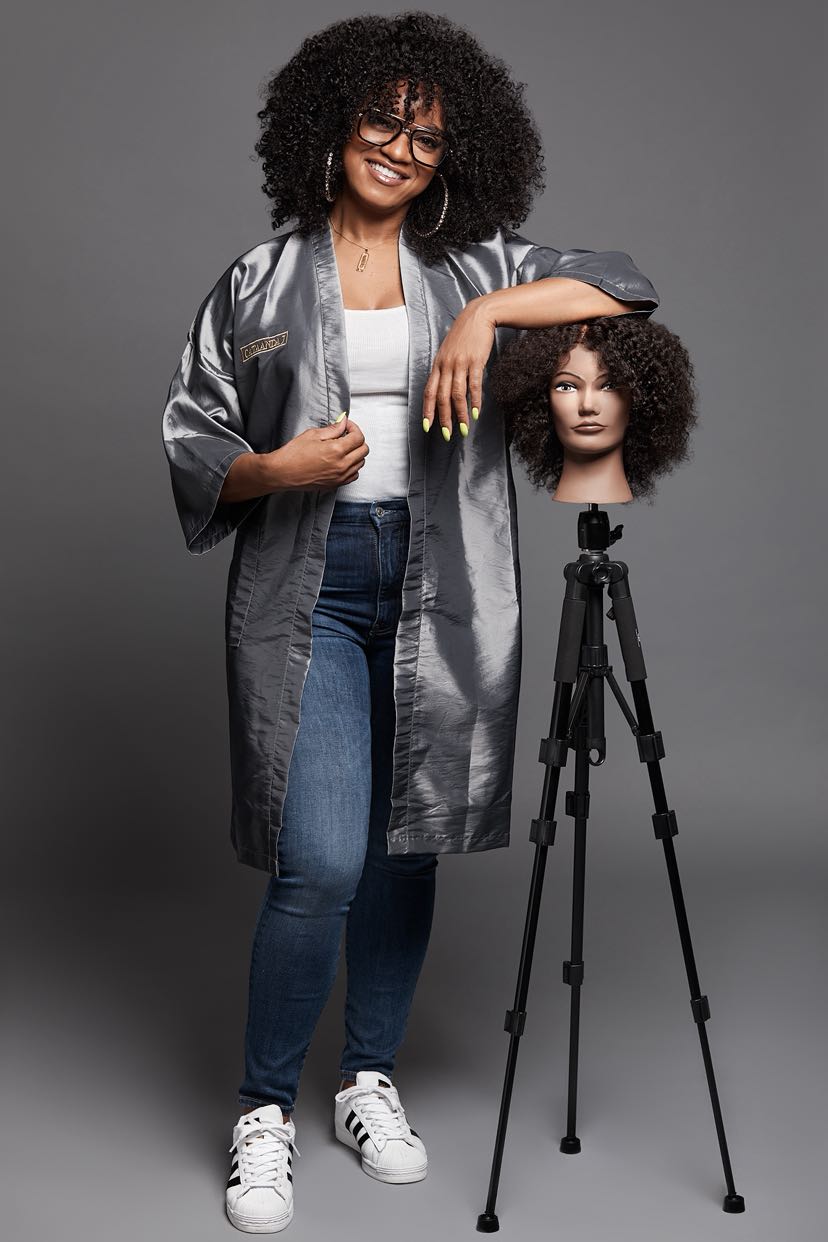
Growing up in Kalamazoo, MI, I had dreams of becoming… At the time I left for the East Coast, I didn’t know exactly what I’d do next in the beauty world, but I knew I had bigger dreams that would require me to step from behind the chair. Since then, I have glammed celebrities I used to watch on TV, had a hand in creating award-winning beauty products, and worked on national television commercials and global campaign ads. I can now walk the beauty aisles of my favorite places to shop and see the girls on hair color boxes that I colored, products I’ve tested and led product development for, and packaging I wrote the education copy for, making sure the consumer is informed and well equipped for healthy hair. This journey hasn’t always been a cakewalk—it has required a lot of hard work and walking by faith—but it truly has been amazing and rewarding, and my love for beauty runs just as deep as it did the first time I picked up my first mannequin head at seven years old. Now, being a trusted voice for the brands I grew up seeing on TV, for global brands that are household names, for your favorite celebrity-backed brands, and for indie brands I help scale is the icing on the cake.
Textured hair care is evolving, and the category is growing. In many cases, we are now top of mind in the labs and boardrooms rather than an afterthought! We have certainly come a long way from the Afro Sheen Cosmetics commercials I used to be obsessed with watching on Saturday mornings during Soul Train, but we still have a long way to go. Highly textured hair, curls and coils, and Afro-textured hair—as it’s referred to in London—remind us that no two curls are the same. With so many nuances, and with research estimating that by 2030, 40% of the world’s population will have some form of naturally curly hair, we’re just getting started!
Catanda J’s story is more than a career—it’s a calling. From a little girl in Kalamazoo dreaming alongside her mother to a global beauty authority influencing boardrooms, labs, salons, and storefront shelves, her impact is undeniable. As textured hair continues to move from the margins to the center of innovation, Catanda J remains a guiding force—grounded in faith, fueled by decades of expertise, and unwavering in her mission