
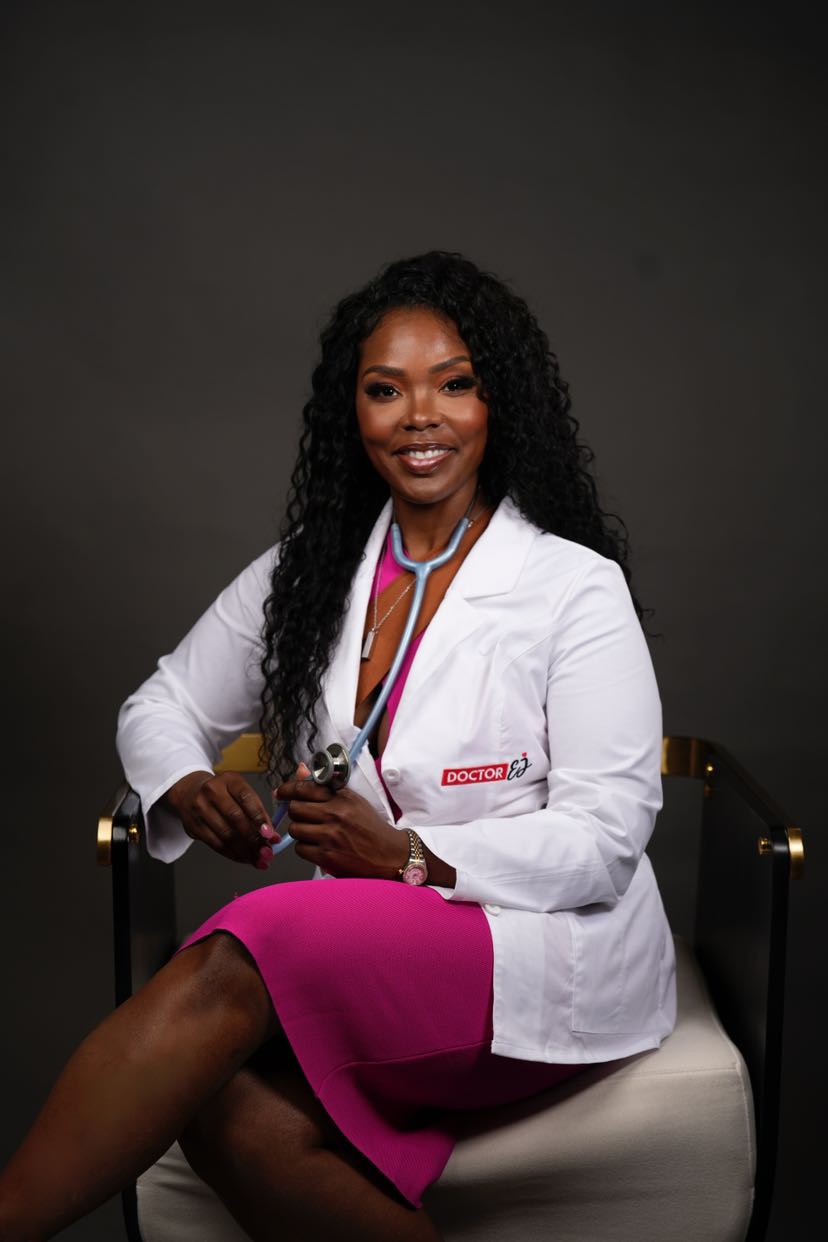
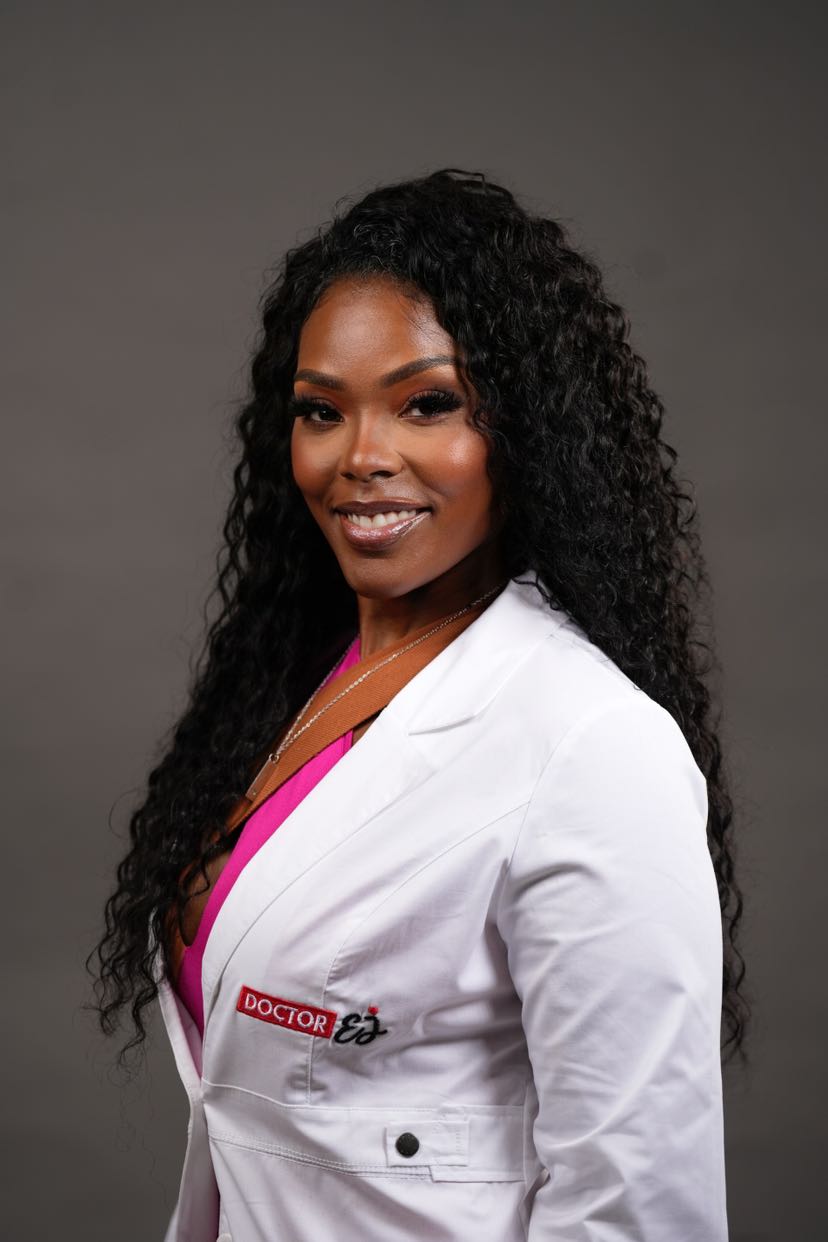
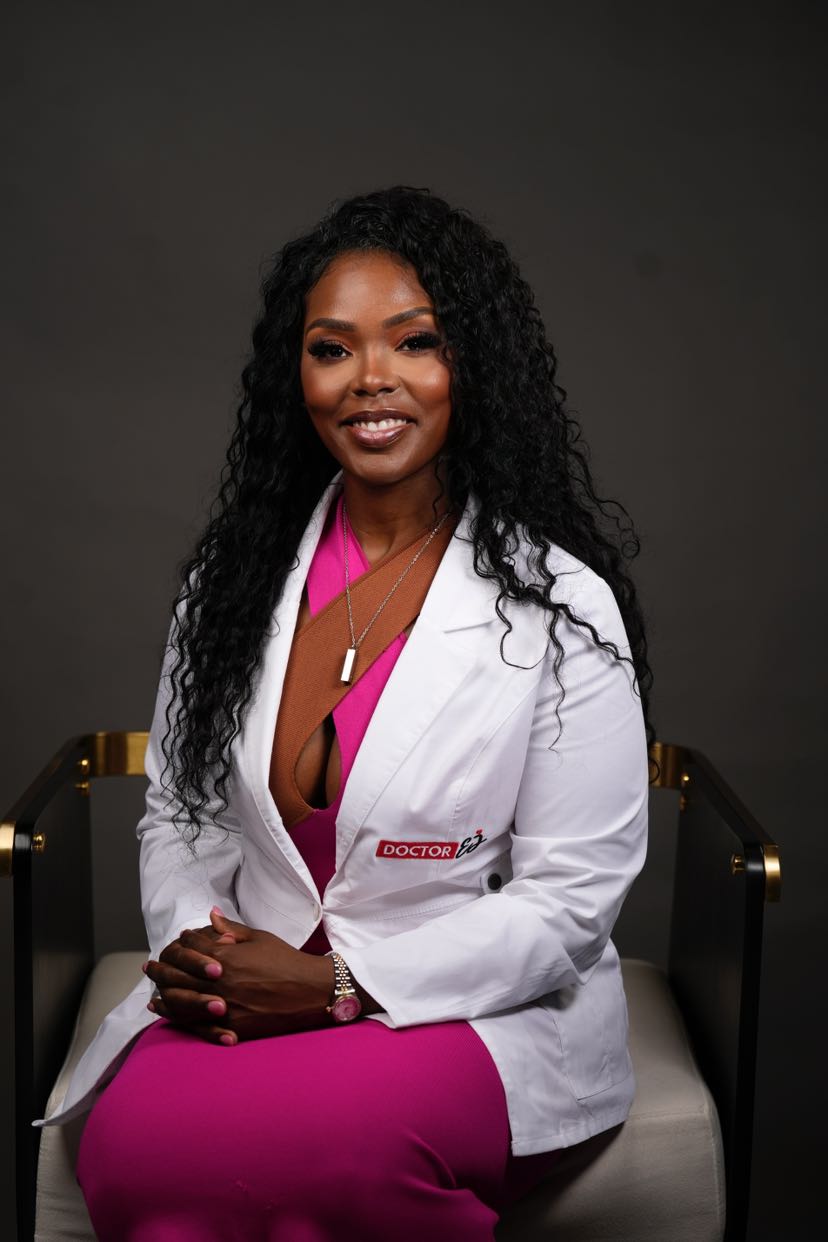
For many women, pregnancy brings glowing skin and fuller hair — until months later when the shedding begins and panic sets in. But according to board-certified OB-GYN and maternal health expert Dr. Eboni January, these changes are not random or cosmetic; they are deeply tied to hormonal shifts, nutrition, and the body’s recovery after childbirth. In a culture where hair is closely linked to identity and confidence, understanding what’s happening beneath the surface can turn fear into empowerment. This conversation opens the door to honest, medically grounded insight that helps women protect both their hair and their overall wellness during one of life’s biggest transitions.
Mo Clark: Hair changes are often dismissed as “just part of pregnancy.” From a medical perspective, what’s actually happening inside the body that causes shedding, thinning, and texture shifts during pregnancy and postpartum?
Dr. EJ: During pregnancy, estrogen keeps hair in the “growth phase,” so you shed far less. After delivery, that estrogen level drops quickly and all the hair you’ve been holding onto releases at once — which is why it feels dramatic.
Texture changes come from shifts in progesterone, thyroid activity, and changes in blood flow. Everything about your hair during pregnancy and postpartum is tied to very real hormonal pathways — not imagination. When women understand the “why,” it becomes far less frightening.
Mo Clark: Many new mothers panic when postpartum hair loss begins months after delivery. How can women distinguish between normal hormonal shedding and signs of an underlying health or nutritional concern?
Dr. EJ: Typical postpartum shedding starts around 3–4 months and can last up to 6–9 months. That pattern is predictable. It’s when shedding:
lasts beyond 9–12 months,
happens in patches,
or comes with fatigue, cold intolerance, or scalp changes that I become concerned about thyroid issues, anemia, or nutritional deficiencies.
In Empowered Motherhood, I talk about how knowing what’s normal protects women from unnecessary fear. Education is powerful , it helps you recognize when your body is simply resetting versus when something needs medical attention.
Mo Clark: Nutrition plays a major role in maternal wellness. Which deficiencies or imbalances most commonly impact hair health during and after pregnancy, and how can women support regrowth safely?
Dr. EJ: The deficiencies I see most often in postpartum women are:
Low iron and ferritin
Vitamin D deficiency
Low protein intake
Low omega-3s, zinc, and biotin
To support healthy regrowth:
Stay on a high-quality prenatal for 6–9 months
Aim for 70–90 grams of protein a day
Supplement only what you’re deficient in
Prioritize hydration and rest
Hair returns when the body feels safe. Education helps women understand that hair loss is often a sign of deeper nutritional depletion , not vanity.
Mo Clark: With so many hair products and supplements marketed to new moms, what should women look for, and avoid, when choosing treatments during pregnancy and breastfeeding?
Dr. EJ: Look for products that focus on scalp health, gentle strengthening, and transparent ingredients.
Avoid:
mega-dose supplements
high-dose vitamin A
retinoids
harsh chemical treatments on a sensitive postpartum scalp
Marketing can be overwhelming, which is why informed choices matter. When women understand what their bodies are actually going through, they aren’t swayed by fear-based advertising.
Mo Clark: Beyond hair, what do these changes reveal about a woman’s overall postpartum recovery, hormonal balance, and long-term health?
Dr. EJ: Hair is often a reflection of internal healing. Excessive shedding or breakage can point to:
thyroid dysfunction
chronic stress and cortisol imbalance
inflammation
nutritional depletion
sleep disruption
hormonal recalibration
I tell women: your hair can be an early warning system. It’s not superficial, it’s insight into how your recovery is truly going.
Mo Clark: As an OB-GYN and maternal health advocate, what advice would you give women struggling emotionally with hair changes, especially when beauty and identity feel tied to this season of motherhood?
Dr. EJ: Hair is deeply personal. It carries cultural meaning, history, and identity. When it changes, it can feel like a loss, and that emotion is real.
My advice is:
Give yourself grace. Your body is not breaking down; it’s healing.
Lean into protective styles during the transition.
Surround yourself with people who speak life into you.
Remember that postpartum is temporary — and regrowth is part of the journey.
One of the reasons I wrote Empowered Motherhood is because women deserve education that honors both their medical reality and their emotional experience. When you understand what’s happening, you reclaim control, and that confidence shows up everywhere, not just in your hair.
At its core, the postpartum journey is about healing, not just physically but emotionally. Hair changes can feel personal, but they are often signals of the body recalibrating after the miracle of birth. Through education and advocacy — themes she expands on in her book Empowered Motherhood — Dr. January encourages women to replace panic with patience and self-grace. When mothers are informed, supported, and nourished, regrowth follows in more ways than one. Because this season isn’t about losing beauty — it’s about redefining it through strength, resilience, and care for the woman behind the crown.