
Written By: Charron Monaye
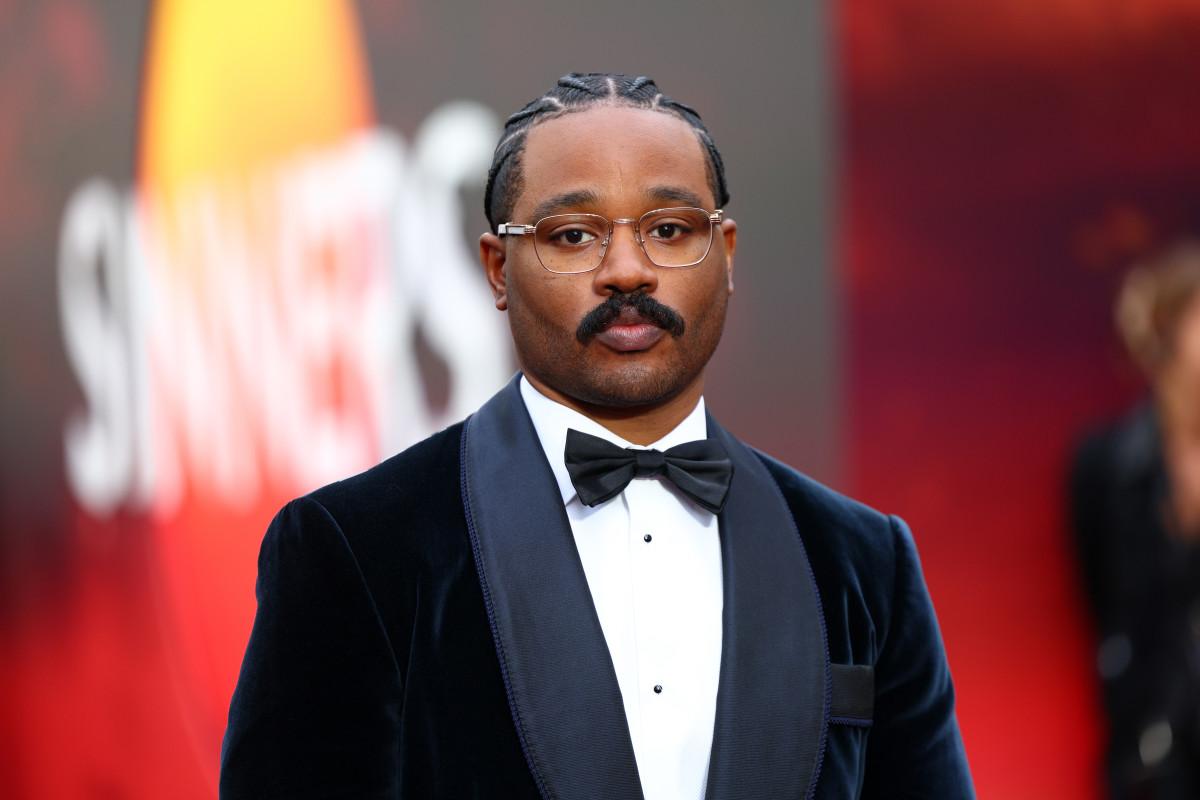
In an industry where access often determines opportunity, Ryan Coogler stands as undeniable proof that vision, discipline, and cultural authenticity can open even Hollywood’s most guarded doors. His journey from a young storyteller in Oakland to an Oscar-winning filmmaker was never built on privilege or proximity. It began with one clear, unwavering dream: to tell stories rooted in truth, identity, and the layered complexity of the Black experience.
Raised in Oakland, Coogler’s foundation was shaped by community, culture, and a deep sense of self. Filmmaking wasn’t always the plan. As a student-athlete, his focus leaned toward football and academics until a college writing class changed everything. Pushed to explore storytelling, Coogler began writing about real people and lived experiences, crafting narratives that felt urgent, intimate, and necessary. That moment sparked something bigger: storytelling, he realized, could be both purpose and power.
That purpose came into full focus with his debut feature, Fruitvale Station. More than a film, it was a cultural reckoning. By chronicling the final day of Oscar Grant, Coogler delivered a story that was both deeply human and socially unflinching. When the film premiered at the Sundance Film Festival winning both the Grand Jury Prize and the Audience Award, it didn’t just introduce a new director; it announced a powerful new voice in cinema. Rather than remain in the indie space, Coogler made a bold pivot. With Creed, he stepped into the legendary Rocky universe, but instead of simply continuing the story, he transformed it. By centering Adonis Creed, Coogler reimagined legacy through a modern lens, blending nostalgia with emotional depth and cultural relevance. The result was a film that honored tradition while pushing it forward.
Then came the cultural reset.
Black Panther wasn’t just a box office success it was a global movement. Set in the fictional nation of Wakanda, the film redefined blockbuster storytelling by centering Black excellence, heritage, and Afrofuturism on an unprecedented scale. Its impact extended far beyond theaters, earning three Academy Awards: Best Costume Design for Ruth E. Carter, Best Production Design for Hannah Beachler and Jay Hart, and Best Original Score for Ludwig Göransson. The film also earned two Screen Actors Guild Awards, 12 NAACP Image Awards, and more than 80 major industry honors overall. It made history as the first superhero film nominated for Best Picture, signaling a shift not just in Hollywood, but in global storytelling. For audiences worldwide, Black Panther wasn’t just entertainment, it was representation, pride, and cultural affirmation.
Coogler returned with Black Panther: Wakanda Forever, a sequel that carried both cinematic weight and emotional depth following the passing of Chadwick Boseman. The absence of King T’Challa was deeply felt, adding a layer of real-world grief to the film’s narrative. Yet, Coogler delivered a powerful continuation, honoring Boseman’s legacy while expanding the world of Wakanda. Wakanda Forever earned widespread acclaim, winning over 50 awards. Highlights included another Oscar win for Ruth E. Carter, a Golden Globe and Critics’ Choice Award for Angela Bassett, and 10 NAACP Image Awards. Bassett’s Oscar nomination for Best Supporting Actress marked a historic moment, making it the first Marvel film to receive an acting nomination at the Academy Awards.
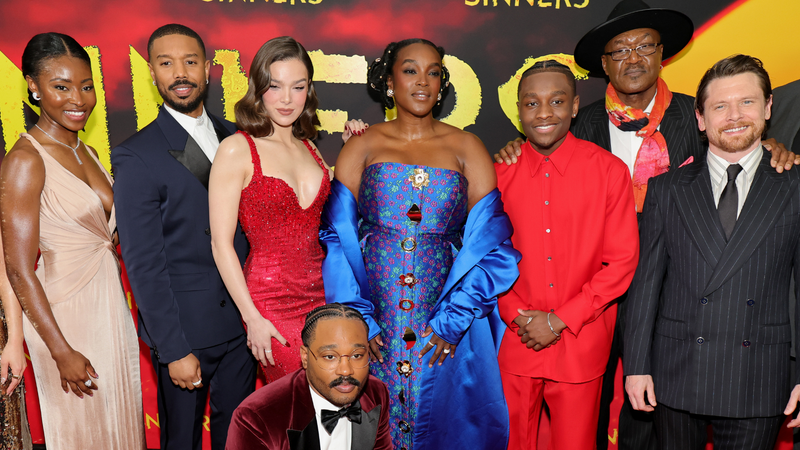
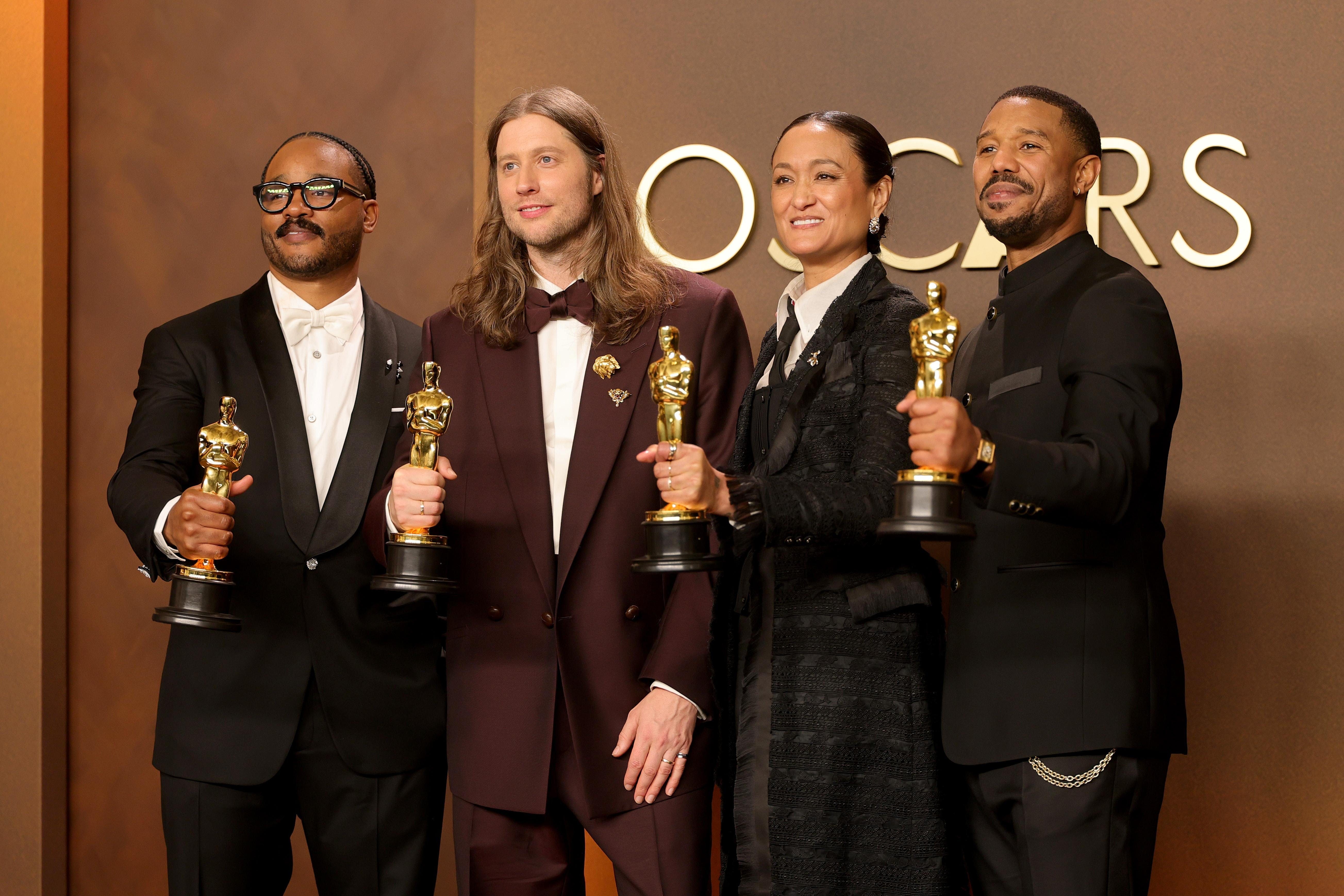
Now, Coogler put us all in a chokehold with his highly acclaimed film Sinners, a project still buzzing for its ambition and thematic depth. Known for rejecting one-dimensional storytelling, he leaned into complexity, exploring the blurred lines between right and wrong, hero and anti-hero, survival and morality. If his previous work is any indication, Sinners won’t offer easy answers, it challenged audiences to confront uncomfortable truths and reconsider what defines redemption. The challenged led them to an entire award winning 2025–2026 awards season, where the film dominated with more than 200 wins. Among its highest honors were four Academy Awards, multiple BAFTA wins, and major recognition from the Screen Actors Guild Awards, NAACP Image Awards, Golden Globes, and Chainsaw Awards. Standout victories included Michael B. Jordan for Best Actor, Autumn Durald Arkapaw, who made Oscar history as the first woman to win Best Cinematography, Ludwig Göransson for Best Original Score, and Ryan Coogler for Best Original Screenplay, making him only the second Black writer to win this specific award after Jordan Peele.
What continues to set Coogler apart is his unwavering commitment to purpose. Whether collaborating with longtime creative partner Michael B. Jordan or building expansive cinematic worlds, he prioritizes authenticity over trend. His stories consistently explore identity, systemic inequality, family, and resilience, universal themes told through a culturally specific lens. Ryan Coogler didn’t chase Hollywood; he brought his world to it and made the industry meet him there.
From Fruitvale Station to Sinners, his work reflects a singular throughline: one dream, executed with intention and scaled with impact. In an era flooded with content but often lacking meaning and substance, Coogler reminds us that storytelling still holds the power to shift narratives, shape culture, and inspire generations.
And it all started with one decision, to tell the truth, unapologetically.