
Written By Charron Monaye, Hype Hair Contributor

In today’s performance-driven culture, achievement is no longer just a goal, it’s an identity. Promotions, accolades, sold-out launches, viral posts, and packed calendars have become the currency of self-worth. But beneath the polished updates and public wins lies a quieter, more complicated truth: many high achievers aren’t just driven, they’re addicted. I know this because I lived it. For years, I was addicted to the hustle. Not in the casual, hashtag way, but in a way that fundamentally shaped how I saw myself and measured my value. I was constantly chasing the next accomplishment as if it were my last opportunity to prove I belonged in the room. Finish one project? Immediately on to the next. Hit one milestone? Raise the bar before I even had time to process the win. There was no pause, no reflection…just momentum. From the outside, it looked like discipline, focus, and ambition, and in many ways, it was. But internally, it felt like pressure that never turned off. I wasn’t celebrating success; I was surviving it.
At its core, achievement addiction is the compulsive pursuit of success to validate self-worth. The dopamine hit from completing a goal, closing a deal, finishing a manuscript, or landing a feature becomes something you chase repeatedly. Over time, the bar moves, and what once felt extraordinary quickly becomes expected. I fell into that cycle without realizing it: set a goal, achieve it, feel a brief moment of satisfaction, sometimes just hours, and then immediately shift to “what’s next?” It became automatic. Celebration felt like a delay tactic rather than a necessity. And the truth is, when you never stop to acknowledge what you’ve done, nothing ever feels like enough.

There was a moment, I can’t point to a specific day, but I remember the feeling, when I realized I had accomplished things I once prayed for and felt almost nothing. No joy. No pride. Just the quiet pressure of maintaining it. That’s the part people don’t talk about. Achievement addiction robs you of the very thing you’re working for: fulfillment. You keep climbing, but you never arrive, because the goalpost keeps moving.
For many high performers, entrepreneurs, executives, and creatives alike, the environments we operate in reinforce this cycle. Output is rewarded. Visibility is currency. Consistency is expected. But beneath that are deeper drivers: the need to prove something, the fear of falling behind, and the belief that rest equals irrelevance. I had internalized all of it. Slowing down felt dangerous. Pausing felt like losing. So, I kept going, even when I was exhausted. Living in that constant state of pursuit comes at a cost. Not always immediately, but inevitably. Burnout disguises itself as dedication. You become emotionally detached, moving from task to task without ever fully experiencing your life. Wins blur together. Milestones feel transactional. And somewhere along the way, you lose connection with who you are outside of what you produce. For me, the greatest loss was presence. I was so focused on building the next thing that I wasn’t fully living in anything I had already built.

But the day I realized this; something had to change.
Breaking free from achievement addiction didn’t happen overnight. It required intentional and often uncomfortable shifts in how I approached both success and myself. I had to separate my identity from my output, which was harder than it sounds when you’ve spent years being “the one who gets things done.” I had to redefine what success actually meant to me, not what looked impressive, not what sounded good in a headline, but what felt aligned, sustainable, and real.
One of the most transformative changes I made was learning to pause on purpose. After completing something meaningful, I made myself sit with it, acknowledge it, and let it register. At first, it felt unnatural. Over time, it became essential. Because celebration isn’t a distraction from success, it’s part of it.
Here’s what helped me begin to overcome achievement addiction:
- Detach your identity from your output ~ You are not your résumé, your revenue, or your recognition. Start defining yourself by your values, not just your victories.
- Schedule intentional pauses ~ Build reflection time into your workflow. After major milestones, pause long enough to actually feel the accomplishment before moving on.
- Redefine what “success” means for you ~ Move beyond external validation. Ask yourself: Does this feel aligned? Is it sustainable? Does it add to my life, or just my list?
- Celebrate without conditions ~ Stop minimizing your wins or rushing past them. Acknowledge progress, even if it’s not perfect or complete.
- Watch your internal language ~ Replace “What’s next?” with “What did I just accomplish?” That shift alone begins to rewire the cycle.
- Recognize the signs of burnout early ~ Emotional detachment, constant fatigue, and lack of fulfillment aren’t badges of honor; they’re signals to recalibrate.
- Practice grace daily ~ Give yourself permission to rest without earning it. Grace doesn’t lower your standards; it sustains your ability to meet them.
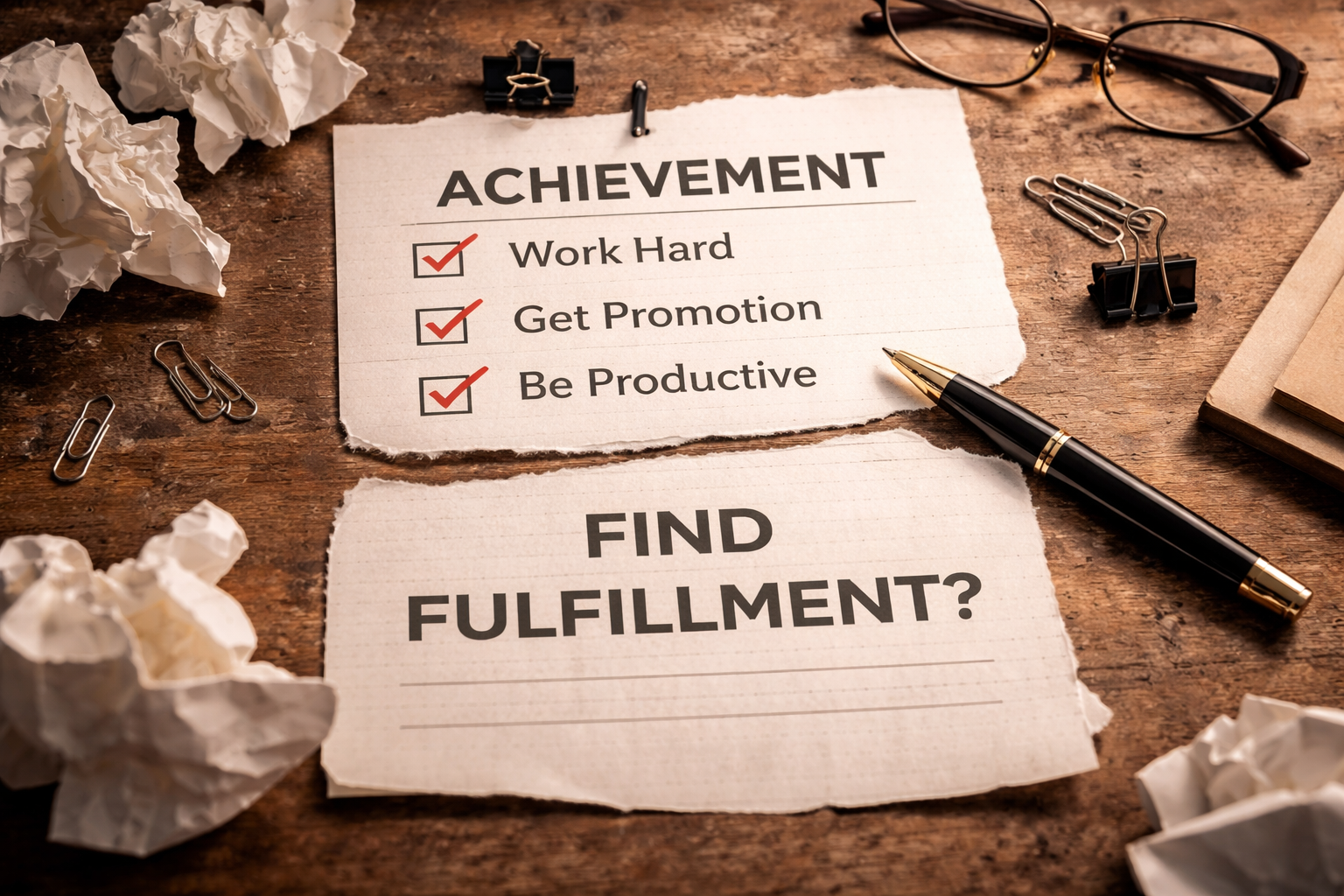
If there’s one lesson that continues to reshape my approach to achievement, it’s this: grace is essential. Not the kind of grace that lowers your standards, but the kind that humanizes your journey. Giving yourself grace means understanding that you don’t have to earn rest. It means recognizing that your worth is not tied to constant output. It means allowing yourself to feel proud without immediately asking, “What’s next?”
I had to unlearn the belief that slowing down would cost me everything and replace it with the truth: constantly speeding up was costing me more.
Today, I still believe in ambition. I still set goals. I still create, build, and pursue excellence. But I no longer chase achievement at the expense of my well-being. Winning looks different now. It looks like having the capacity to enjoy what I’ve built. It looks like being present in the moments I once rushed through. It looks like measuring success not just by what I accomplish, but by how I feel while accomplishing it. Because the truth is, success you never stop to experience will always feel incomplete.
And ultimately, the most powerful shift you can make isn’t in how much you achieve but in allowing yourself to finally feel it.