
Written By: Charron Monaye
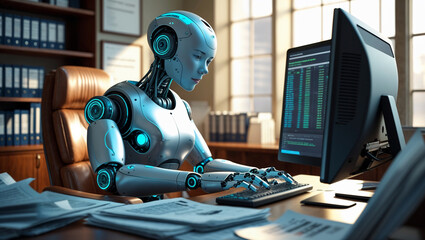
Artificial intelligence is no longer a future concept. It is already reshaping industries, redefining roles, and quietly rewriting job descriptions across corporate America. From automated customer service and AI-generated content to predictive analytics and workflow automation, the question many professionals are asking is no longer if AI will impact their work, but how soon.
While headlines often focus on job loss, the more accurate reality is job transformation. Roles are evolving faster than many workers are prepared for. Administrative tasks are being automated, research is being accelerated, and decision-making is increasingly supported by machine intelligence. Yet history shows that technological shifts rarely eliminate opportunity, they redistribute it. The professionals who remain employed are the ones who adapt early, expand their capabilities, and position themselves as irreplaceable.
If you’re wondering whether your job could be lost to AI, the better question is: What can I do now to ensure I remain valuable? Here are five safeguards you can implement immediately to protect your career and stay competitive in an AI-driven workplace.
1. Become AI-Literate, Not AI-Resistant
Ignoring AI is no longer an option. Employees who understand how to use AI tools will outperform those who do not. This does not mean you need to become a developer. It means learning how AI enhances your role, whether that’s drafting reports, analyzing data, generating ideas, or improving workflows.
Start by identifying AI tools already being used in your industry. Learn prompt writing, automation basics, and how to evaluate AI-generated output. The goal is to become the person who knows how to leverage AI efficiently, not the one being replaced by it.
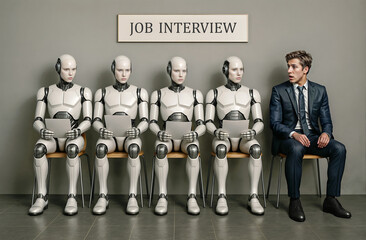
2. Strengthen Human Skills AI Cannot Replace
AI is powerful at speed, pattern recognition, and automation. It is far less effective at emotional intelligence, leadership, negotiation, relationship-building, and strategic judgment. These human-centered skills are becoming more valuable, not less.
Focus on communication, critical thinking, adaptability, and decision-making. Employees who can lead teams, manage clients, and navigate complex situations bring value beyond automation. In many organizations, the future belongs to professionals who combine technical awareness with strong interpersonal influence.
3. Shift From Task-Based Work to Value-Based Work
AI replaces tasks, not entire careers. If your role is heavily focused on repetitive work, your risk is higher. The safeguard is to move up the value chain.
Instead of only executing tasks, position yourself as someone who:
- Solves problems
- Improves processes
- Makes strategic recommendations
- Interprets insights
- Leads initiatives
When you become known for outcomes rather than tasks, you become harder to replace.
4. Continuously Reskill and Upskill
The shelf life of skills is shrinking. What kept you competitive five years ago may no longer be enough. Professionals who stay employed are those who treat learning as part of their job, not something separate from it.
Consider adding skills in:
- Data literacy
- Project management
- AI tool integration
- Digital communication
- Process automation
- Strategic planning
Even incremental learning compounds. One new skill each quarter can dramatically reposition your career within a year.

5. Build Your Personal Brand and Visibility
Employees who are visible for their expertise are less likely to be overlooked during restructuring. Building a personal brand does not require becoming an influencer. It means being known for what you do well.
You can do this by:
- Sharing insights internally at work
- Contributing to industry discussions
- Writing thought leadership articles
- Mentoring colleagues
- Leading initiatives
- Speaking in meetings with solutions
When decision-makers associate your name with value, innovation, and leadership, you move from being replaceable to being essential.
The Bottom Line
AI will change jobs, but it does not have to eliminate careers. The professionals most at risk are those who remain static. The ones who thrive are those who evolve alongside technology.
The future workplace will not be humans versus AI. It will be humans who use AI replacing those who do not. By becoming AI-literate, strengthening human skills, shifting to value-driven work, continuously learning, and building visibility, you create safeguards that keep you relevant regardless of technological change.
Your job may change. Your title may evolve. But with the right strategy, your employment and your opportunity, can grow alongside AI instead of being replaced by it.