
Written by: Charron Monaye
For years, we’ve been sold the same version of success: a luxury lifestyle, a six-figure salary, designer labels, and a social media feed that looks picture-perfect. But let’s be real, looking wealthy and being financially free are two completely different things.
It’s time to have a real talk about money.
Financial independence is often misunderstood. It doesn’t necessarily mean becoming a millionaire, retiring at 40, or having millions sitting in a bank account. Financial independence is the ability to make choices without money being the reason you can’t. It’s having the freedom to leave a job that no longer serves you, walk away from situations that aren’t healthy, start a business, invest in yourself, support your family, or take a calculated risk without immediately wondering how you’re going to survive financially.

Financial independence isn’t about impressing people. It’s about creating options.
And creating those options requires more than simply earning more money. It requires changing the way we think about what we do with the money we earn.
INCOME PAYS THE BILLS. ASSETS BUY FREEDOM.
Read that again: Income pays the bills. Assets buy freedom.
Your paycheck can cover your mortgage, rent, groceries, transportation, utilities, and lifestyle. But building assets gives you the opportunity to create wealth that isn’t completely dependent on the number of hours you work. Investments, businesses, intellectual property, real estate when appropriate, and other productive assets can potentially grow in value or generate income over time.
The goal isn’t to stop working tomorrow. The goal is to build enough financial leverage that your future isn’t completely dependent on your next paycheck.
That shift in mindset can change everything. Instead of asking only, “How much can I earn?” start asking, “How much can I keep, how much debt can I eliminate, and what can I own?”
ELIMINATE CONSUMER DEBT. BUILD MORE ASSETS.
High-interest consumer debt can keep you running in circles. Credit cards, personal loans, buy-now-pay-later balances, and other expensive debt can consume money that could otherwise be used to build your financial future.
That’s why eliminating consumer debt should be a major priority. Before upgrading the lifestyle, consider upgrading the balance sheet. Know exactly what you owe, understand what you’re paying in interest, and create a realistic strategy for eliminating expensive debt.

Once you begin freeing up that cash flow, put it to work toward your future. Instead of allowing the money that once went toward debt payments to disappear into everyday spending, consider directing some of it toward savings and productive assets.
The strategy becomes simple: earn more, protect what you have, eliminate expensive debt, build assets, and create more choices.
You don’t have to be rich to start. You have to be intentional.
5 MONEY MOVES YOU CAN IMPLEMENT TODAY
1. Audit Every Dollar
Take a hard look at your last 30 days of spending. Don’t judge it—study it. Identify subscriptions, impulse purchases, unnecessary fees, and expenses that don’t support your current priorities. When you understand where your money is going, you can make better decisions about where it should go next.
2. Attack Consumer Debt
Make a list of every credit card, personal loan, and other consumer debt, including the balance and interest rate. Then create a realistic payoff strategy, giving particular attention to high-interest debt. Every dollar of expensive debt you eliminate can create more room in your budget for savings, investing, and building assets.
3. Build an Emergency Cushion
Start small if you need to. Your first goal could be $500, then $1,000, and eventually several months of essential expenses depending on your circumstances. An emergency fund isn’t designed to make you rich; it’s designed to protect your financial progress when life doesn’t go according to plan.
4. Start Building Assets
Once you’re addressing immediate financial needs and expensive debt, look for ways to build assets that align with your goals and risk tolerance. That could include diversified investments, retirement accounts, a business, intellectual property, or other productive assets. The mindset shift is simple: instead of constantly asking, “What can I buy?” start asking, “What can I own that may help build my future?”
5. Increase Your Income AND Your Ownership
Cutting expenses has limits. Increasing your income can create more opportunities to save, eliminate debt, invest, and acquire assets. Look for opportunities to negotiate your compensation, develop a legitimate additional income stream, turn a skill into a business, or create something that can generate revenue beyond a single transaction. The goal isn’t simply to make more money. It’s to make more, keep more, and strategically put more of your money toward building ownership.
THE REAL FLEX IS FINANCIAL FREEDOM
We don’t need another conversation telling women that financial success is defined by a bigger house, a luxury car, or a designer wardrobe. Let’s talk about the real flex.
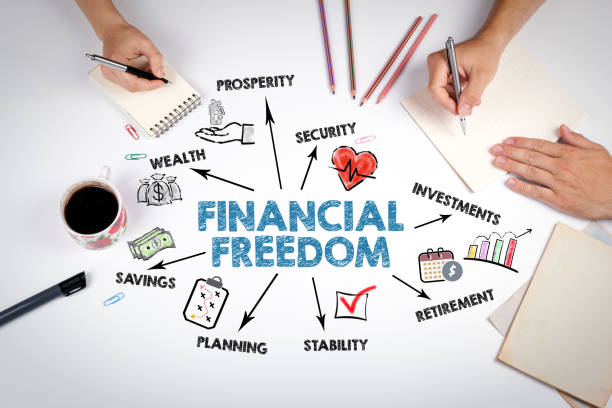
The real flex is having money saved when life throws you a curveball. It’s reducing consumer debt, owning assets, increasing your earning power, and creating multiple pathways toward financial security over time. It’s being able to make a career move because you have options—not because you’re desperate.
Most importantly, it’s knowing that the financial decisions you’re making today can help create more freedom for tomorrow.
You don’t have to become a millionaire to experience financial independence. You need a plan that moves you from simply earning money to building ownership, reducing financial vulnerability, and creating choices. Because at the end of the day, income pays the bills, but assets can help buy freedom. And the goal isn’t to look rich. The goal is to become financially free.