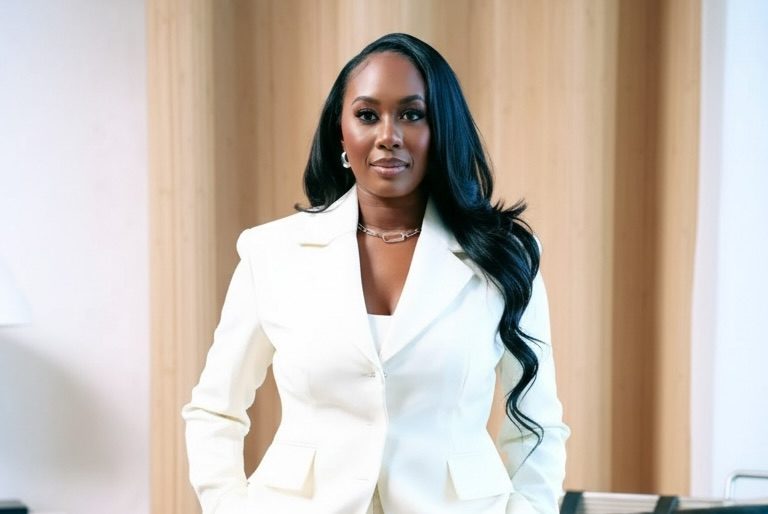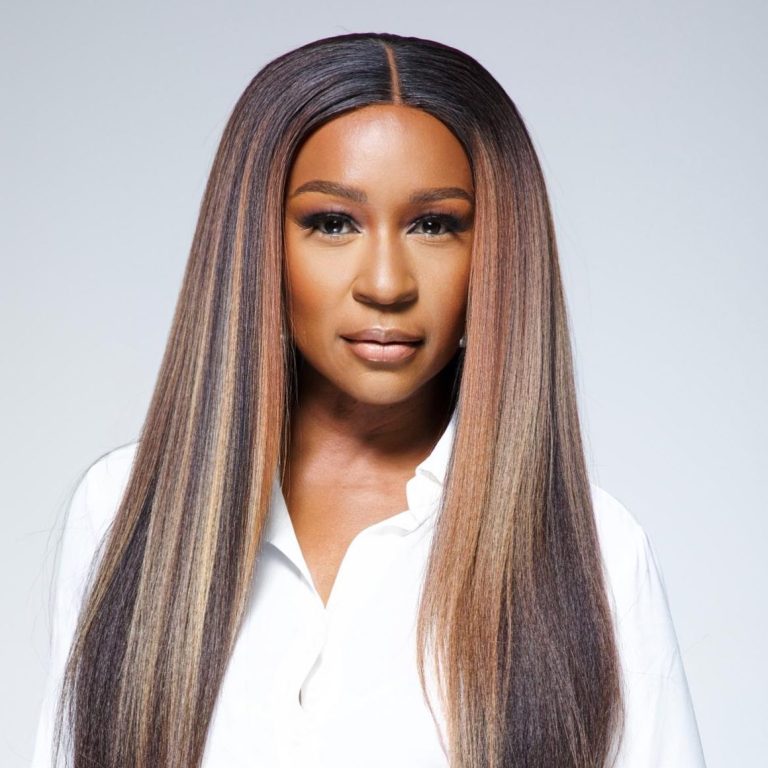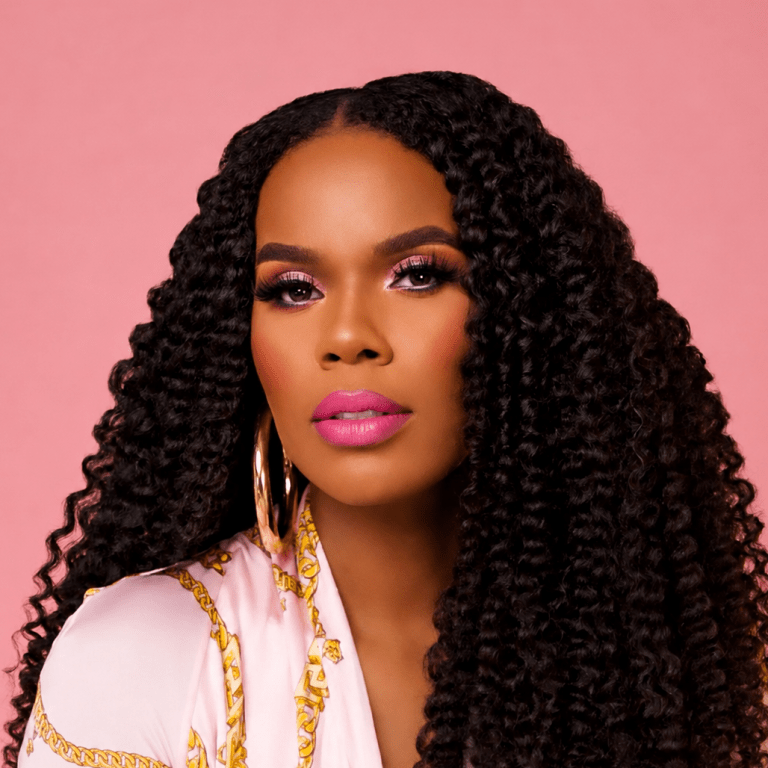

In an era where digital spaces shape how we learn, organize, work, and build community, the internet is far from neutral—especially for Black women. Online platforms can be sites of connection and creativity, but they are also environments where surveillance, harassment, and systemic bias are deeply embedded. Against this complex backdrop, two scholars are reframing the narrative, insisting that Black women are not merely surviving digital spaces, but actively transforming them.
At the forefront of this work are Dr. DeLisha Tapscott and Dr. Nardos Ghebreab, co-founders of Black Girl Narrative, a research-driven storytelling collective dedicated to reimagining how Black women experience safety, joy, and power online. Their collaboration sits at the intersection of rigorous research and cultural insight, blending data, lived experience, and Black feminist thought to tell fuller, more accurate stories about digital life. Rather than centering harm alone, their work illuminates the creativity, resistance, and care Black women cultivate—often in spaces never designed with them in mind.
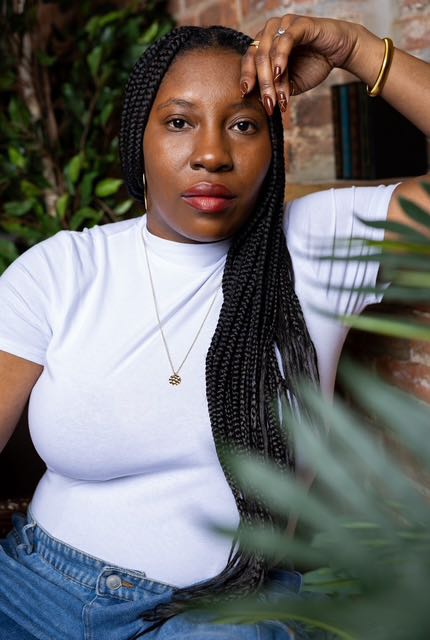
Their groundbreaking report, The Love We Code: Black Women, Digital Safe Havens, and Resistance, offers a powerful examination of how Black women build and sustain online communities despite facing disproportionate rates of digital harassment, job precarity, and structural exclusion within the tech industry.
Drawing on qualitative research and Black feminist methodologies, Dr. Tapscott and Dr. Ghebreab show that digital safety is not merely about protection from harm, but about the freedom to exist, create, and organize without constant threat.
What sets Dr. Tapscott and Dr. Ghebreab apart is the depth and range of their combined expertise. With backgrounds spanning digital equity, education, technology policy, and Black feminist research, they bring a multidisciplinary lens to questions many institutions struggle to answer. Their work speaks simultaneously to scholars, technologists, educators, and cultural workers—offering language and evidence for experiences long understood but rarely validated at scale.
Through Black Girl Narrative, they position storytelling as both method and intervention. Stories become data. Lived experience becomes evidence. And Black women’s digital practices are recognized not as anomalies, but as innovations born from necessity and vision.
Already, their work has sparked critical conversations across academic, tech, and cultural communities, influencing how organizations think about online safety, representation, and power.
Mo Clark: What inspired the name Black Girl Narrative, and how does it reflect your mission today?
BGN: Black Girl Narrative started from a need to reclaim the stories people often take from us or flatten. The name reflects our commitment to building a space where Black women’s experiences are centered without apology or translation. We are driven by four pillars that shape everything we make: research, advocacy, education, and storytelling. Together, these pillars allow us to gather our stories, analyze the systems surrounding them, and build public spaces where Black women feel held, understood, and reflected back with depth.
Mo Clark: When you imagine a digital safe haven, what does that space look and feel like for Black women?
BGN: A digital safe haven feels like a corner of the internet where Black women do not have to brace ourselves before we log on. It is a space grounded in care, clarity, and community. A place where we do not have to overexplain our experiences, where our joy is not questioned, and where our vulnerability is not weaponized. Our research showed that many Black women retreat to private spaces because harm is so common. A safe haven is the opposite of that. It feels spacious. It feels intentional. It feels like exhaling.
Mo Clark: How did your personal journeys as scholars and storytellers shape The Love We Code report?
BGN: The Love We Code was led by DeLisha, rooted in her academic work on digital relationships, misogynoir, and algorithmic bias. Nardos is deeply connected to its vision, because the findings speak directly to the realities we have lived online as Black women. We approached the report with two understandings. First, that the digital world is not a separate world for us; it is woven into our daily life, identity, work, and community. Second, that data without narrative cannot explain the full truth. Our goal was to create research that reflects the lives, emotions, and memory work Black women carry online.
Mo Clark: What surprised you most during your research about how Black women build community online?
BGN: What surprised us most was the level of intentional care Black women extend to one another in digital environments that often do not protect us. Even in the midst of misogynoir, harassment, and surveillance, we saw Black women building group chats, healing spaces, and support networks that function like digital sisterhood. Women told us that their online communities have held them through grief, joy, transitions, motherhood, breakups, and the quiet moments of everyday life. That type of care is not accidental. It is cultural. It is generational. And it shows up even in the most unpredictable digital spaces.
Mo Clark: How do you balance data-driven research with the emotional depth of storytelling?
BGN: We do not see them as two separate practices. Data reveals patterns, but stories reveal the truth behind the pattern. Our work holds both. We lean on research to understand the scale of what Black women face online. We lean on storytelling to understand the human impact. Together, those pieces allow us to create work that is rigorous without being detached and emotional without becoming sentimental. Black women deserve both accuracy and depth, not one or the other.
Mo Clark: What role do joy and rest play in your digital strategy and community-building work?
BGN: Joy and rest are part of our methodology. They guide how we show up digitally and what we create. Because the digital world can drain Black women, we intentionally build space where we can slow down and be more than our reactions to harm. That is why our Substack often explores the quieter parts of life: sleep, frustration, boundaries, care work, humor, grief, soft moments with family, and the pace of our days. These pieces sit alongside our research because joy and rest are not separate from our work. They are part of what keeps Black women whole enough to tell the truth.
Mo Clark: How do you hope people feel when they first visit your platforms?
BGN: We want our platforms to feel like a home with multiple rooms. Substack is the living room, the place where you sit down, breathe, and read something reflective. Instagram is the porch, where the community gathers, shares what is on their mind, and feels held in a public yet grounded space. Threads is the bedroom, the quieter conversation where we speak more freely and share what we might not say out loud anywhere else. Across all three, we want Black women to feel welcome, seen, and unburdened.
Mo Clark: What legacy do you hope this new chapter of BGN leaves for the next generation of Black women creators?
BGN: We hope they inherit more than inspiration. We want to leave them infrastructure and language. A blueprint for storytelling that honors nuance and complexity. We want the next generation to have a digital ecosystem that does not treat Black women as content but as culture. We want them to inherit archives that remember us, reports that protect us, community spaces that uplift us, and the freedom to build work that does not compromise their identity or voice. If anything, we want them to inherit proof that their stories deserve to take up space without permission.
What BGN Has Coming Up in 2026
In 2026, Black Girl Narrative is focusing on defining our archive and expanding our cultural production work. We are building the living archive website to sit alongside our short-form film, Dear Black Girl Who Stayed Online Anyway, and launching the full 2026 BGN Report in the fall. We are also planning archival projects to build a living, digital ecosystem that holds the stories, memories, and cultural production of Black women across generations. In addition, we are laying the foundation for a BGN Scholarship that will award scholarships to Black women building in the arts and culture through archival and storytelling-based projects. For us, this next chapter is about building a body of work that honors memory, storytelling, and the evolution of Black womanhood.