
Written by Charron Monaye, Hype Hair Contributor

In 2026, the squeeze on American wallets has never been more real. From skyrocketing groceries to surging gas prices, everyday essentials are outpacing wage growth for millions of families. As of today, inflation stubbornly sits above the Federal Reserve’s 2 percent target, making it clear why so many households are feeling financial pressure from every direction.
- Wholesale prices (PPI): 3.4% year-over-year, signaling rising costs for producers that often flow through to consumers.
- Unemployment: 4.4 %February’s report showed an increase from 4.3 % to 4.4 %, reflecting weaker labor market momentum.
- Inflation (CPI): 2.7 % inflation remains above the Federal Reserve’s 2 % target this year, with energy and shelter costs keeping price pressures elevated despite broader signs of cooling.
- Mortgage Rates: 6.33 % for a 30‑year fixed mortgage. Housing borrowing costs are still high compared to pre‑pandemic levels (and are elevated relative to recent years).
- Average Credit Card Interest Rate: 19.6 %–23.7 % APR, average APRs on U.S. credit cards remain historically high.
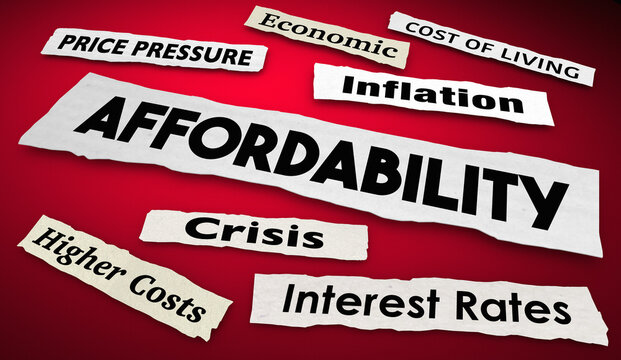
These numbers reveal the forces driving prices ever higher. Energy costs remain volatile, fueled by ongoing geopolitical tensions in the Middle East, sending gas and diesel prices soaring. At the same time, wage growth, though steady in certain sectors, hasn’t kept pace with rising living expenses leaving millions of households in a true cost-of-living squeeze. With so many financial pressures converging at once, it’s no surprise people are asking: “How can I still afford life without sacrificing my future?” This is the stark reality of an affordability crisis. But while the challenge may feel overwhelming, there are concrete, actionable strategies that can help you stretch every dollar, safeguard your finances, and even thrive despite rising costs.
5 Ways to Make Life More Affordable
Track and Trim Expenses: Start by understanding exactly where your money goes. Use budgeting apps or spreadsheets to track daily spending. Small adjustments, like canceling unused subscriptions or switching to generic brands, can save hundreds annually.
Shop Smarter: Grocery prices are up 10–15% for staples like milk, eggs, and bread. Combat this by using price comparison apps, buying in bulk, or shopping at discount stores. Meal planning and reducing food waste can save hundreds each month and reduce the stress of rising food bills.
Reassess Housing and Transportation Costs: Housing is the largest expense for most Americans. Average rents in major cities have increased 8–10% over the past year. Refinancing rent or negotiating rent or considering co-living arrangements can ease the burden. Transportation costs can also be managed by carpooling, taking public transit, or switching to energy-efficient vehicles.
Prioritize Health and Preventive Care: Healthcare inflation outpaces general inflation, with some medical procedures increasing over 6% annually. Investing in preventive care, healthy living, and insurance shopping can prevent costly emergencies.
Build Skills and Income Streams: Inflation erodes purchasing power, making additional income streams crucial. Side hustles, freelancing, or learning high-demand skills, like coding, digital marketing, or design can bring in an extra $500–$1,000 per month, offsetting rising costs and helping households regain financial stability.
Affordability isn’t about spending less; it’s about maximizing value. Durable goods, energy-efficient appliances, and education investments reduce long-term costs. For example, LED lighting and smart thermostats may require an upfront investment but can save hundreds annually on electricity bills. Similarly, buying quality shoes or appliances avoids frequent replacements and long-term waste. Shared resources and community initiatives provide additional relief. Tool libraries, cooperative childcare, car-sharing programs, and neighborhood swaps reduce costs while building social capital. In times of inflation, collaboration can transform scarcity into opportunity.
The bottom line is that rising costs and persistent inflation are real, but they don’t have to define your financial future. Through smart spending, intentional budgeting, community collaboration, and income growth, individuals can make life affordable even in a time of economic pressure. Affordability is not just about surviving, it’s about thriving with foresight, creativity, and a clear plan.