
The global strategist, powerhouse executive and founder of MBL International Group talks African influence, executive presence, purposeful profit and why every woman should recognize the power connected to her own name.
By Teia Burroughs
There is something special about a woman who can walk into a room, turn heads with her style and then completely command the conversation with her brilliance.
Barkue Tubman-Zawolo is that woman.
Her style is polished. Her presence is magnetic. Her confidence feels natural, effortless and completely her own. She is warm enough to make people feel comfortable, yet powerful enough to make it immediately clear that she knows exactly who she is.
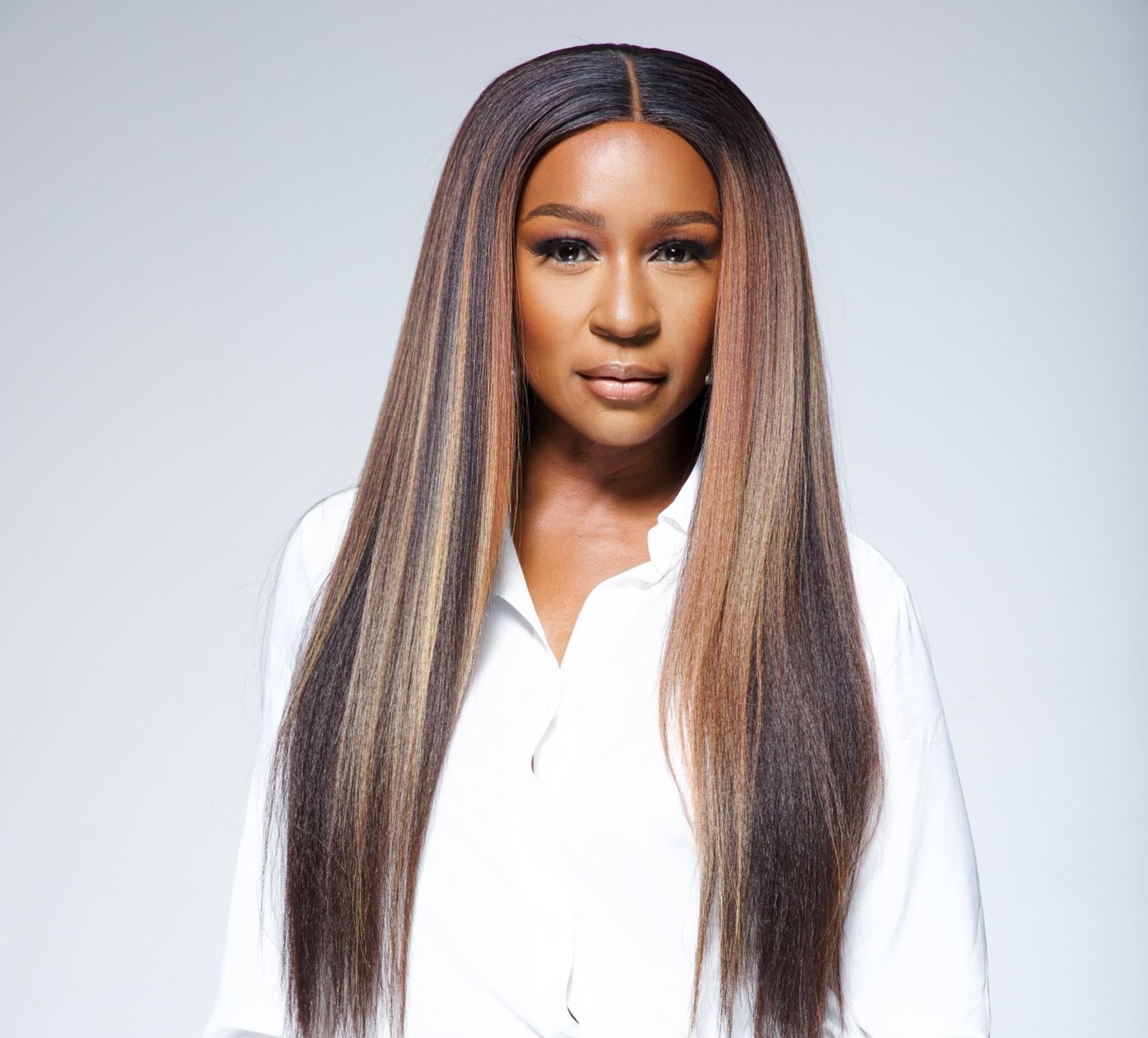
That winning combination of beauty, business savvy and cultural pride has helped Tubman-Zawolo build a career that reaches across industries, communities and continents.
Born in Liberia and raised in the United States, Tubman-Zawolo is a global strategist and the founder of MBL International Group and Power WalkHer Global. Through her work, she creates opportunities for women, entrepreneurs, creatives and brands while helping connect Africa with the global diaspora.
Before expanding her work into global business and cultural development, Tubman-Zawolo built a successful career in entertainment and music management. She learned how to navigate executive spaces, advocate for talent, negotiate opportunities and make major moves in an industry that was often dominated by men.
Now, she is using those experiences to create pathways for others.
Her mission is personal. Tubman-Zawolo wants women and girls, especially African girls, Black girls and women of color, to know that their present circumstances do not determine their future possibilities.
She also understands that beauty, fashion and hair are about much more than looking good. They can communicate culture, confidence, history and identity before a woman ever introduces herself.
Whether she is wearing traditional African fashion, couture or a fabulous find from Amazon, Tubman-Zawolo understands one very important style rule.
The woman should always wear the clothes. The clothes should never wear the woman.
Hype Hair spoke with the stylish global powerhouse about the African women who shaped her, the importance of becoming a doer, creating businesses with purpose and learning to feel completely comfortable in your own truth.
Hype Hair: You have built a career connecting business, culture and global leadership. How has your identity as an African woman influenced the way you define beauty, confidence and leadership throughout your journey?
Barkue Tubman-Zawolo: Honestly, it is simply who I am. My introduction to beauty, confidence and leadership came from African women. It came from my mother, her sisters and my aunts.
I was born in Liberia and raised in America, but I grew up surrounded by these amazing African women. I have been reflecting on that a lot lately and realizing just how much they shaped me.
My mother was a model and was always into fashion. My Aunt Charlotte was always focused on wellness. She introduced me to spas and taught me the importance of taking care of yourself. I did not know to call it wellness back then, but that was what we were practicing.
All of that became part of who I am.
Everything I do comes through the lens of being a Liberian woman and a Liberian girl. It is not necessarily because I live there now. It is because I want Liberian girls, African girls and young Black girls around the world to understand what is possible for them.
People sometimes tell me, “I want to be like you,” and I always say, “I want you to be better than me.”
I want to be a bridge between Africa and the global diaspora. I want women and young girls to recognize the possibilities available to them, regardless of their present reality.
HH: You have successfully navigated executive boardrooms, global business and international diplomacy. What role do personal style, hair and beauty play in creating first impressions and executive presence for Black women?
BTZ: I think it depends on where you are. Presenting yourself in Africa can be different from presenting yourself in Europe or America.
First and foremost, whatever you do in terms of presentation should be for you. At the same time, we cannot ignore the fact that society often responds to what it sees first.
The first interaction people have with you is usually visual.
I believe you should walk into a room with confidence, regardless of what you are wearing. For me, comfort comes first, but style is also part of who I am.
I actually have a brand concept in my head called Vanity Sanity. It is about staying mentally well and sane while also embracing the fact that you want to look good.
We do not have to pretend that appearance never matters.
Sometimes people may approach you because of the way you look. They may initially trust you because you appear polished and put together. That is a reality.
I also genuinely love fashion and being stylish. Who does not enjoy a great compliment after taking the time to put herself together?
The way you present yourself can communicate how you feel about yourself. Whether you are wearing traditional African clothing, couture, high fashion or something from Amazon, you have to wear it. It cannot wear you.
Appearance, whether we like it or not, can impact how people engage with you.
HH: Power WalkHer Global and the Boss Lady Effect both focus on empowering women. What mindset shift separates women who simply dream from women who build real and lasting influence?
BTZ: It is the difference between being a dreamer and being a doer.
We can all dream, but nothing happens if we do not act. The doers are the changemakers because everyone has ideas. We all know what we would like to see, what we envision and what we want to happen.
But when you do not get up and execute your own vision, you eventually become part of someone else’s execution.
You have to move from talking about the idea to doing the work and building it.
I want women to have a vision for what they desire, but you also have to be willing to begin. Everything does not have to be perfect.
If you do not start, there will be nothing for you to finish.
You have to become a doer and not remain only a talker.
HH: You have dedicated much of your career to strengthening relationships globally. How do you see beauty, fashion and hair creating cultural connections and economic opportunities?
BTZ: Beauty and fashion are major parts of the creative economy, especially when we think about entrepreneurship and connecting cultures.
It does not matter whether someone is Black, purple, brown, pink or green. If she is a woman, beauty is probably part of her regimen. Skin care is part of her regimen. Fashion is part of her regimen.
Someone once told me that the world is now only as big as your cell phone. I told them I was stealing that phrase because it is so true.
Technology has shown us that the world is so much bigger than the four corners where we may physically sit.
What we wear matters. People are interested in what other people wear, and we are connecting more through fashion.
Look at the global rise of Afrobeats. Africans already knew Afrobeats. Africans were also already familiar with the incredible fashion being created throughout the continent.
What has changed is our ability to promote, market and introduce those cultural products to new audiences.
Through MBL, part of what we do is promote and introduce communities to different brands, no matter where those brands are located.
Fashion and textiles allow us to tell stories and build communities globally. Consumers may purchase something because they like it and then discover that the brand is African. That discovery can become the beginning of a deeper cultural connection.
Beauty and fashion are powerful ways to tell stories, educate people and create economic impact for entrepreneurs throughout Africa and the diaspora.
We also have to remember that many incredible ingredients used in beauty products come from Africa, including shea butter.
What is changing now is the intentional storytelling surrounding those ingredients. We are beginning to have deeper conversations about how hair and beauty can help bridge gaps between communities.
Consumers are discovering incredible brands at marketplaces and major cultural events. They purchase the products, return to their own communities and introduce those brands to other people.
That creates organic opportunities for trade, visibility and economic growth. It is brilliant.
HH: Many women want careers that create both profit and purpose. Looking back over your journey, what is the biggest lesson you have learned about creating impact without losing yourself?
BTZ: That is something I personally experienced, and it became even more important when I became a mother.
I have been fortunate because much of the work I have done throughout my career has involved things I genuinely enjoyed.
Now, I have the privilege of being more selective.
I make sure the people I work with, the partners I choose and the clients I accept are aligned with the missions and purposes that matter to me.
As a mother of daughters and a son, helping to leave the world differently for them matters to me.
You can lose yourself in your work because you become consumed by everyone else’s ideas, needs and goals.
I worked in entertainment and music management for many years. At that time, my approach was entirely centered on the artists. It was about building them up.
I did not always position myself as a partner or as someone whose vision also mattered.
Their success mattered to me, and I was good at helping them become successful. But when you work that way, you can disappear inside someone else’s story.
You may agree to things or negotiate deals that do not completely align with you because you believe your only job is to serve the client.
Today, I do not believe in having a typical client relationship without deeper alignment.
I want to understand what you are building, why it matters and how it connects with the things I am trying to build. I need to know how the opportunity aligns with my purpose.
You can also lose yourself because you simply want the check. Let us be honest. We all want the bag.
But you sleep better when the bag is aligned.
You sleep better when the opportunity is connected to your purpose.
When you are younger, your career may not begin that way. You are still experimenting, learning and discovering yourself. However, you should still have morals, values and a foundation upon which you stand.
Those early experiences can help you understand why purpose and alignment are important parts of your path toward profit.
HH: As you enter this new chapter of increased visibility, what legacy do you hope young Black women and future global leaders will associate with your name 10 or 20 years from now?
BTZ: I pray that my legacy is one of being a community builder.
I hope people associate my name with being a bridge to culture and helping women and girls around the world understand that when they do not see something, they can build it.
I want to show them what building looks like.
I also want to create communities that allow women to connect with one another and continue building. Women are critical. There is no one in this world who arrived here without a woman. Period.
Yet many times, we do not fully understand our own power.
I pray that part of my legacy is creating a foundation and building a community that will help care for and nurture my children throughout their journeys.
I also want women and girls, particularly African women, Black women and women of color, to understand that they are the power.
They are their own value proposition.
Legacy begins with your first name, not your last.
HH: Before we close, one of the most striking things about your presence is the way you present beauty and elegance as a form of quiet power. As journalists covering beauty, fashion and culture, we understand that image can communicate a story before a woman ever speaks. Your style feels polished, confident and completely authentic without ever appearing forced. How did you grow into that level of confidence and become so comfortable expressing yourself on your own terms?
BTZ: Thank you. I truly appreciate that.
People help me find individual pieces all the time, but putting those pieces together in a way that feels right for me is simply a Barkue thing.
Hearing that means a great deal because it connects to my sense of identity. We live in a world where some people may feel that women show too much, while others may believe women show too little. To each her own. There is no judgment from me.
I simply enjoy being who I am.
But that is also a result of growth. I have not always been this comfortable, and becoming comfortable with yourself requires constant work.
You have to be intentional about growing in your truth.
You also have to become comfortable living in your own skin.